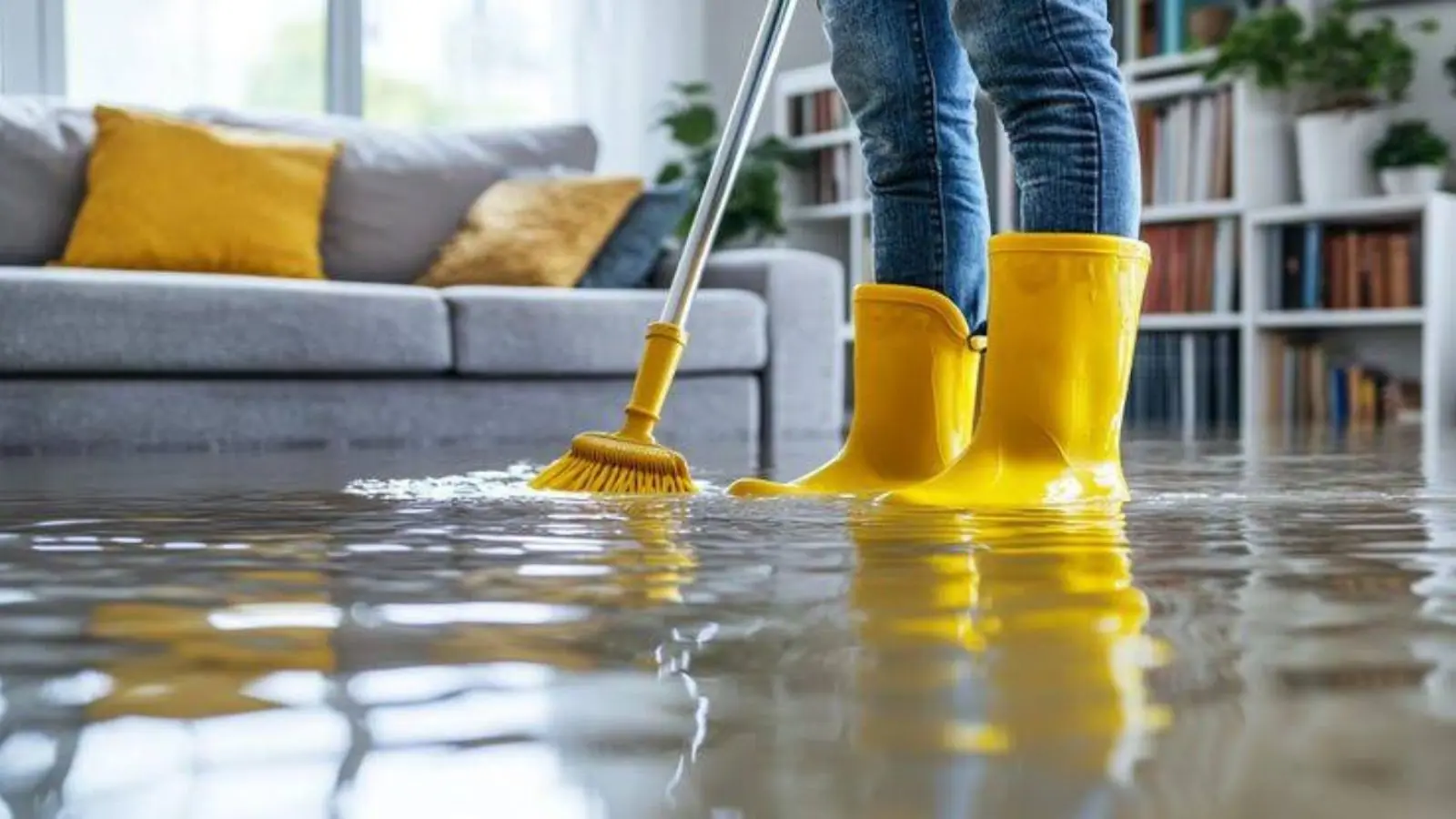
Once the water stops, the cleanup begins
A stopped leak does not mean a finished problem. Wet drywall, soaked pad, swollen trim and damp insulation are still in your home, and some of it may carry contamination. Water damage cleanup is the removal of those materials, followed by sanitizing and deodorizing the space. Our line is open 24/7 for Mission Viejo, with same-day response when available.
Until the crew arrives, keep the main water valve closed, leave power off to wet rooms unless the panel is dry and reachable, and lift valuables out. Keep children and pets out of any water that came from a toilet, drain or outside. If you suspect sewage, do not touch it with bare hands.
Water categories decide what happens next
Industry practice, described in the ANSI/IICRC S500 standard, sorts water into three categories by how contaminated it is. The category sets the safety gear, the sanitizing steps and what can be kept. Water that starts clean can turn worse the longer it sits, so time is part of the decision.
| Category | Typical source | Typical decision | What it means for materials |
|---|---|---|---|
| Category 1 (clean) | Broken supply line, tub overflow, rain through a sealed leak | Dry in place when caught quickly | Most materials can stay if dried fast |
| Category 2 (gray) | Washing machine or dishwasher discharge, sump overflow | Clean and sanitize, remove porous items | Carpet pad, insulation and soft items usually go |
| Category 3 (black) | Sewage, toilet backup, rising flood or creek water | Remove and discard porous materials, disinfect | Drywall, carpet, pad and insulation are removed |
| Clean water left for days | Category 1 that sat in the structure | Treat as worse than it began | Expect more removal than the first look suggested |
Sewage and floodwater are not a do-it-yourself job. Stay out, keep pets and children away, and call the utility or 911 first if there is any gas or electrical hazard.
Need the mess gone?
Call the 24/7 line for debris removal, sanitizing and deodorizing. Same-day response when available, and scope and price explained before work starts.
Keep or remove: a room-by-room guide
| Material | Often salvageable when | Usually removed when | Why |
|---|---|---|---|
| Drywall | Clean water, caught quickly, wall cavity dried | Water is Category 2 or 3, or it stayed wet for days | Paper facing grows mold and does not recover from contamination |
| Insulation | Rarely, if it is only slightly damp | Wet, or any water above Category 1 | Batts compress and hold water against framing |
| Carpet pad | Almost never | Nearly always | Foam holds contamination and costs less to replace than to clean |
| Carpet | Clean water, extracted quickly | Contaminated water or long exposure | Backing and fibers hold bacteria that deep cleaning may miss |
| Baseboards | Solid wood that dries and is not swollen | MDF that has swelled, or any contaminated trim | Fibers expand and do not return to shape |
| Cabinets | Solid-wood boxes that dry fully | Particleboard that swells, or water-logged toe kicks | Particleboard breaks down when wet |
When in doubt, the crew reads the wall with a moisture meter and looks at the source of the water. Photograph everything before it is hauled away, because your insurer may ask what was removed and why.
What the cleanup looks like when the crew is on site
Protect and contain
Crews set plastic sheeting and, for contaminated water, negative air containment with HEPA air scrubbers so dust and spores stay in the work area.
Remove debris and ruined materials
Wet drywall, insulation, pad and trim are cut out and bagged. Cuts are made above the water line with a margin so clean material is not left wet.
Clean and sanitize
Surfaces and framing are wiped and treated with a cleaner matched to the water category. Contaminated areas get disinfectant, applied to every exposed surface.
Deodorize and verify
Odor is treated at the source, not covered up. Air scrubbing, thermal fogging or hydroxyl units are used where needed, and moisture meters confirm the structure is drying.
What lingers after the water leaves
A sour or earthy odor
Damp pad, insulation or drywall is still holding moisture. Smell fades only after the source material is removed.
Stains that bleed through paint
Tannin and minerals leach out of wet drywall and wood. Painting over them rarely holds.
Dust that returns after cleanup
Fine dust from cut drywall settles on every surface. HEPA air scrubbers and damp wiping capture it.
Spotty mold on baseboards or corners
Mold starts where moisture lingers. Fix the water problem first, then see mold remediation if growth has begun.
When storm water is the source
The National Weather Service recorded storms on January 14 to 16, 2023 that caused widespread flooding in Orange County, and on February 4 to 8, 2024 Orange County was hit with 4 to 10 inches of rain. Water that enters from outside often carries soil and runoff, which pushes it into the contaminated end of the scale. If rain came through a door, treat the wet area as suspect and keep it off limits.
Free sandbags are available around the clock at city sites such as Alicia Park and Gilleran Park, so stock up before the next system. After a storm, clear gutters, downspouts and low yard areas so water has somewhere to go. If water entered the house anyway, emergency water removal comes first, then cleanup.
Older homes need a pause before demolition
Regional housing data drawn from Census surveys shows about 79 percent of Mission Viejo homes were built before 1990. Older drywall joint compound, flooring and textured ceilings may contain materials that need testing before they are cut or sanded. Ask the company whether it tests suspect materials before demolition. The CSLB lists asbestos abatement as its own licensed specialty, which tells you the work is regulated.
What drives the cost of cleanup
Water category
Category 3 requires protective gear, containment and disinfection, which clean-water jobs do not.
Volume of material removed
More drywall, insulation, pad and flooring means more labor, more disposal and more hauling.
Access and containment
Tight spaces, second floors and areas that need sealed barriers add setup time.
Odor and sanitizing needs
Persistent odors call for air scrubbers, fogging or hydroxyl units, which add equipment days.
Rebuild scope
Everything removed has to be replaced, so the rebuild list grows with the demolition list.
Scope and price are explained before work starts. Want your real number? Call the 24/7 line and describe what you see.
Insurance, contracts and who to hire
Sudden and accidental water damage is often covered by homeowners policies, and gradual leaks often are not. The California Department of Insurance says standard homeowners coverage does not include flood, so flood claims go to NFIP if you carry that coverage. Check your policy, ask your insurer, and keep a log of every call.
On the contractor side, state rules from the Contractors State License Board say a down payment is capped by law, you get a three-day right to cancel and the contract must show a licence number. Check the number on the CSLB site and be cautious of door-to-door offers after storms. The state also advises against rushing into repairs. Ask whether your repairs need a permit from the city's Building Services staff.
After cleanup, rebuild
Once the space is clean and dry, the rebuild starts. Our water damage repair team replaces drywall, trim and flooring. If you want to know how drying fits in, read about water mitigation. We serve ZIPs 92691 and 92692 from our Mission Viejo base and neighboring towns across the service area.
Questions about water damage cleanup in Mission Viejo
Do you handle water damage cleanup emergencies at night or on weekends in Mission Viejo?
Yes. The line is open 24/7, including nights, weekends and holidays, with same-day response when available. We do not promise a specific arrival time. Tell dispatch whether the water was clean, from a drain or from outside so the right crew goes out.
What is the difference between Category 1, 2 and 3 water?
Category 1 is clean water from a supply line or similar source. Category 2 is gray water from appliances or sumps. Category 3 is grossly contaminated, such as sewage or floodwater. The category decides the gear, the sanitizing and what materials are removed.
Can my drywall be saved after a leak?
Sometimes. If the water was clean, the wall dried quickly and the cavity was opened or treated, drywall can stay. If the water was gray or black, or the wall sat wet for days, it is generally removed.
Why does carpet pad almost always get thrown out?
Foam pad holds contaminants and is cheap to replace compared with the labor of cleaning it. Even clean water can leave minerals and bacteria in it. The carpet above it can sometimes be saved.
Will the smell go away after cleanup?
Usually, once the source material is removed. Odor is treated with air scrubbers, fogging or hydroxyl units where needed. If the smell returns, moisture is still in the structure and a meter check is the next step.
Is sewage cleanup different?
Yes. Sewage is Category 3. Crews use protective gear, contain the area, remove porous materials and disinfect. Stay out, keep pets and children away, and call the utility or 911 first if there is a gas or electrical hazard.
Should I do the cleanup myself to save money?
Small clean-water spills on hard floors are fine for a homeowner. Anything wider, any gray or black water, or any wet drywall deserves a trained crew with meters and proper disposal.