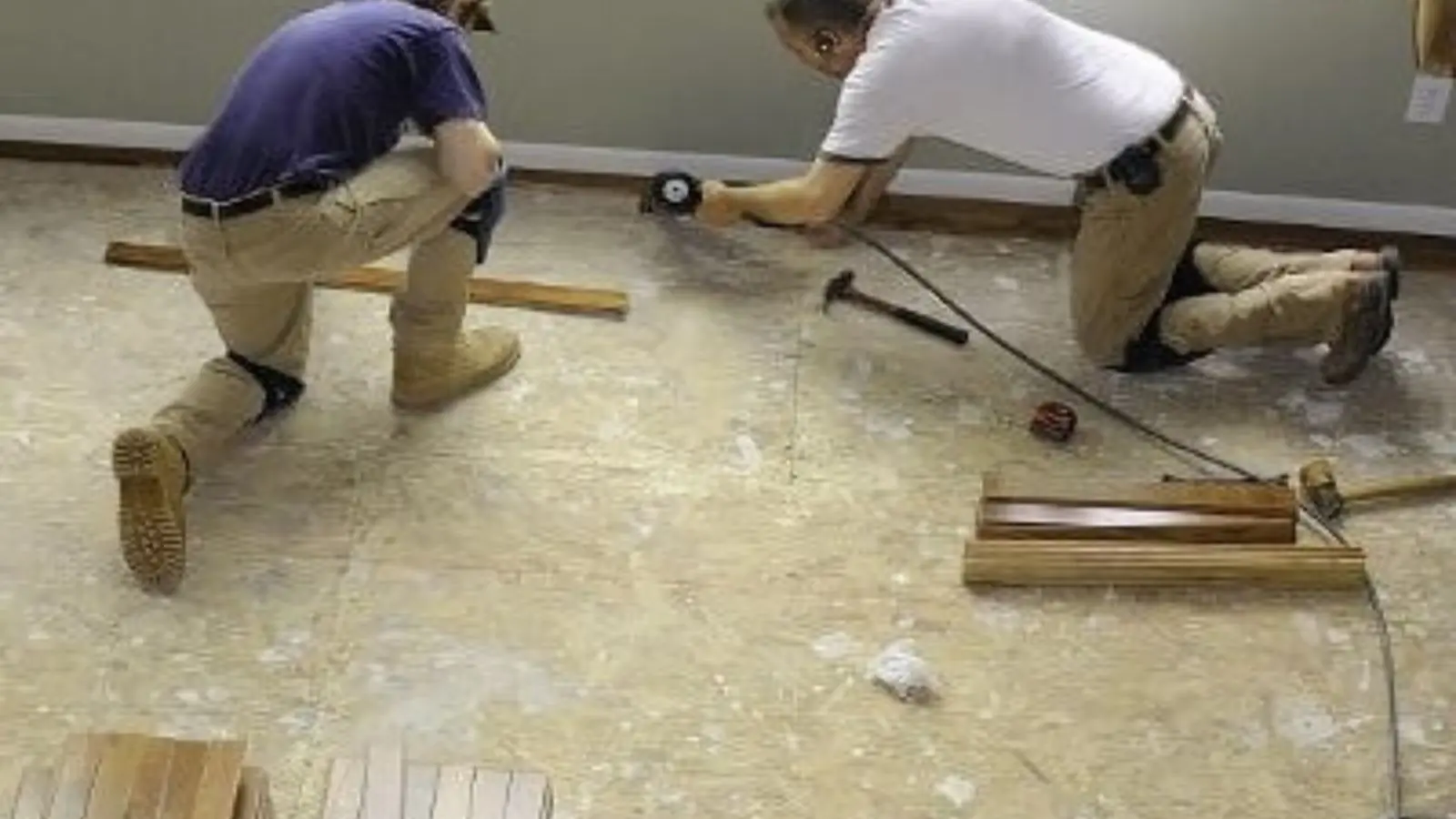
What repair means once the building is dry
Water damage repair in Mission Viejo, CA is the rebuild phase that follows drying. It replaces or restores the materials that could not be saved: wet drywall, soaked insulation, buckled flooring, swollen cabinet bases and stained paint.
This is a planned job, not an emergency call. If water is still running, spreading or dripping from a ceiling right now, start with emergency water removal and come back here when the structure is dry.
Repair is also where most homeowners feel the damage most, because it is the part they see every day. The goal is a room that looks like it was never touched, built on framing that has been proven dry.
Why repair has to wait for dry readings
Covering a wall that still holds moisture is the most common reason a repaired room fails. Paint looks fine for a few weeks, then bubbles. Baseboards cup. A musty smell returns because the stud cavity behind new drywall never finished drying.
So we close nothing until moisture meters confirm the framing and subfloor are back to a normal reading for that material. Wood framing is usually considered dry near the same level as an unaffected wall in the same house, and we take that comparison reading on purpose. Thermal imaging cameras help find cool, damp pockets the meter missed.
Drying a typical wet room takes several days with air movers and LGR dehumidifiers running. Repair crews can start the moment that is confirmed, which is why water mitigation comes first and repair second. The industry reference for the drying side is ANSI/IICRC S500, and you can ask any company whether its crews work to it.
Not sure what needs to come out?
Describe the damage and what you see. We explain scope and price before work starts.
Signs a room is ready for repair, and signs it is not
Ready: readings match the dry reference
Daily logs show the wall, subfloor and framing at or near the unaffected reading, and the equipment has been removed.
Not ready: the baseboard feels cool and damp
A cold, clammy surface after several days of drying often means water is still trapped behind it. Dry it further before closing anything.
Ready: the source is fixed and tested
A pipe, supply line, roof flashing or condensate line has been repaired, so the new drywall will not get wet again.
Not ready: stains keep growing
A ceiling ring that widens after drying points to an active leak above. Repairing the finish first only hides the clue.
Not ready: fuzzy growth on the back of the drywall
Visible growth changes the plan. It needs containment and removal first, covered under mold remediation.
How a repair job runs from tear-out to final paint
Confirm dry and set the scope
We re-read the moisture meters, mark what comes out and what stays, and explain the scope and price before work starts.
Remove what cannot be saved
Wet drywall is cut at a clean line, usually 2 to 4 feet above the wet mark, along with insulation and any swollen baseboard or cabinet kick.
Rebuild the layers
New insulation, drywall hung and taped, texture matched to the wall, then primer, paint and trim. Each coat dries before the next.
Finish floors and cabinets last
Flooring and cabinet work go in after the dusty drywall stage so the finished surfaces are not scratched or coated in sanding dust.
Repair scope: patch, cut out, or replace
The right scope depends on how long the material stayed wet and what kind of water it was. A quick, clean spill is a different job than a slow leak behind a sink. This table is how we think through it on a typical house.
| Material | Often saved when | Usually replaced when |
|---|---|---|
| Drywall | Wet for a short time with clean water, no sagging, no softness | Crumbling, sagging, stained through, or exposed to Category 2 or 3 water |
| Insulation | Foam board or closed cell that dried fully | Fiberglass batts that held water and compressed |
| Hardwood flooring | Mildly cupped, dry, and the boards flatten over time | Boards split, black at the edges, or loose from the subfloor |
| Laminate and vinyl plank | Edges flat and no swelling at the seams | Swollen, lifted or warped at the joints |
| Cabinets | Solid wood or plywood boxes dried in place | Particleboard bases that swelled and lost their shape |
| Baseboard and trim | Solid wood, dried and repainted | Finger-jointed or MDF trim that swelled |
The honest trade-off is that saving a material costs less than replacing it, but only if it truly dries and holds its shape. Keeping a swollen cabinet base to save money can mean paying twice. We tell you where the line is on your job, and you decide.
Cutting out more drywall than the wet mark shows costs a little more now and avoids a visible seam or a hidden damp edge later.
Ceiling and Wall Water Damage Repair
A stained or sagging ceiling usually means water collected above it, from a roof leak, an upstairs bathroom or a supply line in the attic. Ceiling drywall holds water in a sack. If it bulges, do not poke it with your hand. Place a bucket, then puncture it from the side with a small hole so the water drains where you choose, and call us.
A collapsed ceiling is a different job. The wet drywall, insulation and sometimes the light fixture box come down together, so the area needs a clear-out, a dried joist cavity and a fresh sheet hung and finished.
Wall repair follows the same pattern. Cut out the wet section, dry the cavity, rebuild with matching thickness, tape, texture and prime. Painting only the stained spot rarely works, so most repairs paint the whole wall corner to corner for an even color.
In a condo or townhome, an upstairs neighbor's leak may be the source. Take photos, note the date and who you spoke to, and ask your HOA what it covers before any rebuild begins.
Hardwood Floor Cupping and Drying
Cupping is when the edges of each board rise higher than the center, so the floor looks like a row of shallow troughs. It happens because the bottom of the board absorbs moisture faster than the top. Wood swells on the wet face and bends.
Do not sand a cupped floor early. If the boards are still wet, sanding flat and then watching them dry creates crowning, where the center rises instead. We dry the floor with air movers and dehumidifiers, sometimes with panel drying mats for solid wood, then track moisture content until it stops dropping.
Many boards flatten on their own over several weeks as they release moisture. Light cupping often settles back, so a patient wait followed by sand and refinish can save the whole floor.
Replacement becomes the answer when boards have split, when edges have turned black, when the floor has lifted off the subfloor, or when water sat for many days. Over a concrete slab or with glue-down flooring, moisture trapped underneath may also mean pulling a section to let it dry. We check before recommending anything.
Insulation, cabinets and finishes: the smaller decisions
Insulation in wall and attic cavities
Fiberglass that got wet loses loft and holds moisture against the framing, so it usually comes out. Replacing it before closing the wall keeps the room comfortable and protects the wood.
Cabinet bases and toe kicks
Under-sink leaks soak the cabinet floor first. If the box is solid wood or plywood, it can often be dried and kept. If it is particleboard and it has swollen, replacing the base or the whole unit is the better call.
Paint, texture and color matching
Older homes often have texture that is hard to blend. We test a small area, feather the edges and paint the full wall so the repair does not read as a patch. About two-thirds of Mission Viejo homes were built between 1970 and 1989, according to housing data from the Southern California Association of Governments, so matching older texture is a normal part of the job here.
What changes the price of a rebuild
No two repair jobs price the same. These are the factors that move the number, so you can see why two houses with the same stain can differ.
Affected area
Square footage of drywall, flooring and cabinets to be removed and rebuilt sets the base scope.
Water category
Clean, gray and contaminated water lead to different tear-out limits and sometimes more material removed.
Materials and finish level
Hardwood versus laminate, stock versus custom cabinets, and the texture and paint your home already has.
Drying time already completed
Longer wet times mean more structure to replace, and dry readings decide when work starts.
Access and layout
Second-floor ceilings, tight attic crawls and finished stairwells take more labor than an open room.
Want your real number? Call, describe the damage, and we explain the scope and price before work starts.
Insurance and repair paperwork
Sudden and accidental water damage, like a burst supply line, is often covered under a homeowners policy. Slow leaks and long-neglected problems often are not, so check your policy and ask your insurer. Flood is usually excluded from standard policies, as the California Department of Insurance notes.
That agency also says insurers may not cover ensuing damage if you have not taken reasonable steps to protect the property, and advises keeping a log of calls and letters. In practice, that means dry the home promptly, photograph before and after, and keep every invoice. We never promise approval or a payout, and your adjuster decides the claim.
Hiring a contractor and permits in Mission Viejo
The Contractors State License Board says a home improvement contract above a small dollar threshold must be in writing, the down payment is capped, you get three days to cancel, and the contract must show the contractor's licence number. Check any licence on the board's website before you sign. We are licensed and insured, and we explain the scope and price before work starts.
Whether your repair needs a permit is not something we can answer for every address. The city's Building Services division at 200 Civic Center handles permits through its online portal, so ask them before rebuilding walls with new wiring or plumbing in them. If a larger flood or sewage event caused the damage, see flood damage restoration.
Water damage repair questions in Mission Viejo
How long after drying does repair start?
Repair starts the day moisture readings confirm the framing and subfloor are dry, which is often several days after drying equipment was set. Rushing it risks trapping moisture behind new drywall.
Our drying logs show the readings, and you can ask to see them.
Can you repair a ceiling that is sagging from a roof leak?
Yes, after the roof or pipe leak is fixed and the cavity is dry. The sagging section is cut out, the insulation is replaced, and new drywall is hung, taped, textured and painted.
If the ceiling is still dripping, call our emergency water removal line first.
Will my hardwood floor flatten after cupping?
Often, yes, over several weeks, once the moisture is out of the boards and the subfloor. Mild cupping settles well. Splits, black edges and lifted boards usually mean replacement.
We wait for the readings to stop dropping before we sand or refinish.
Do I need a permit to repair water damage in Mission Viejo?
It depends on the scope. Cosmetic work and wiring or plumbing changes are treated differently. The city says all permits and inspections go through its online portal, so ask Building Services before work begins.
Does homeowners insurance pay for repairs?
Sudden and accidental water damage is often covered, and gradual leaks often are not. Flood is usually excluded from standard policies and needs separate flood coverage. Check your policy and ask your insurer.
We cannot promise approval or a payout.
Can I repair the drywall myself after a leak?
You can, if the cavity is truly dry and the water was clean. The risk is covering damp framing or missing a second wet spot. A moisture meter reading first is worth it either way.
My paint is bubbling after a leak. Is the wall still wet?
Bubbling paint means moisture was behind the finish. It may be dry now, but the stain and loose paint still need to be removed, and a meter should check the wall. If growth is present, see mold remediation.
Do you rent air movers or dehumidifiers for do-it-yourself drying?
No, we do not offer rentals. Drying equipment works by moving air across wet surfaces and pulling moisture out with LGR dehumidifiers. Done correctly it takes several days and needs daily readings, which is why we manage the process.